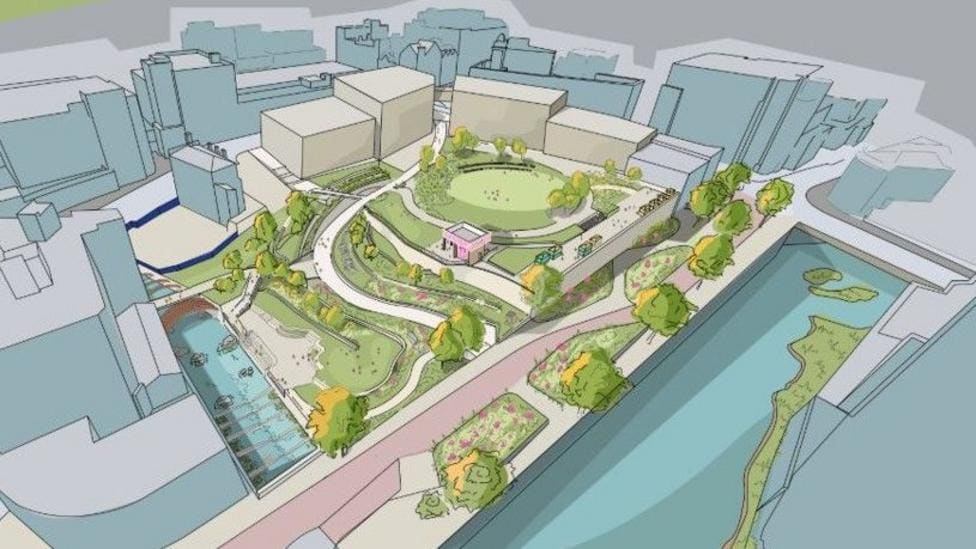
The opening of Castle Hill Park on the site of Sheffield's medieval castle will be delayed by nearly two years. Sheffield Council has announced the public park will now open in summer 2028 instead of this year.
The park, which will feature a 500-capacity event space, sits on the former castle site and the newly uncovered River Sheaf. The council has described the project as one of its most "complex", citing unexpected finds, design changes and involvement from national agencies as reasons for the delays.
Heritage complexity and listed building status
Councillor Alexi Dimond, chair of the council's transport, regeneration and climate committee, said: "While we know people are eager to see the new park completed, we're taking the time to respond to the unique challenges presented on the site."
"It's important to get it right so future generations can experience the site in its historical context and learn about the birthplace of our city. This careful approach to our city's heritage has added complexity to the project and means the park will open later than originally anticipated."
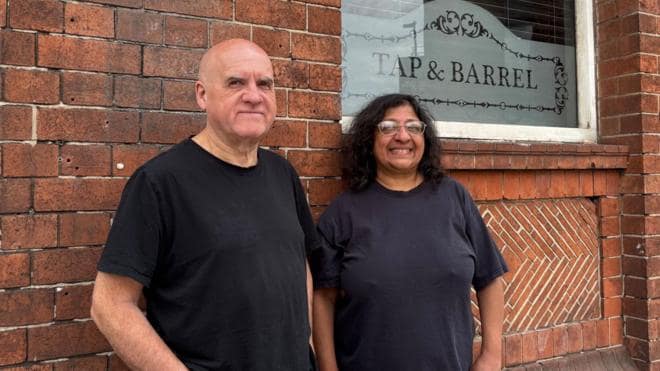
Martin Gorman from the Friends of Sheffield Castle group explained that working with "significant remains of castle structures" involves multiple stakeholders. "First and foremost, it's a listed building," he said. "So, you've got Historic England's concepts to consider; you've got conservation architects; you've got the council's own planning team and design team and the archaeology team that work with the council."
River Sheaf and national agencies
The River Sheaf, hidden underground since 1917, has been uncovered as part of the development. Design changes to allow salmon and other species to pass freely up the river have contributed to delays.
Simon Ogden, chair of the Sheaf and Porter Rivers Trust, said national agencies had not been "as kind as they could be" in making quick decisions regarding the site. "Perhaps they don't always realise the impact delays have when granting permits. It costs time and money," he said.
Ogden also noted that changes to the design to create a fish passage were necessary. "We've argued for changes to the design to make a fish passage possible so they can move freely. That wasn't in the original proposal, which we thought was a missed opportunity."
Castle history
Mary Queen of Scots was imprisoned for 14 years at Sheffield Castle and at Manor Lodge in the 1500s. The castle was destroyed in 1648 and its remains were later covered by Castle Market in the 1960s, which was demolished in 2015.